Ever wondered how top companies manage thousands of customer interactions seamlessly? The secret lies in a powerful CRM base de donnee system that transforms chaos into clarity, one data point at a time.

What Is a CRM Base de Donnee and Why It Matters
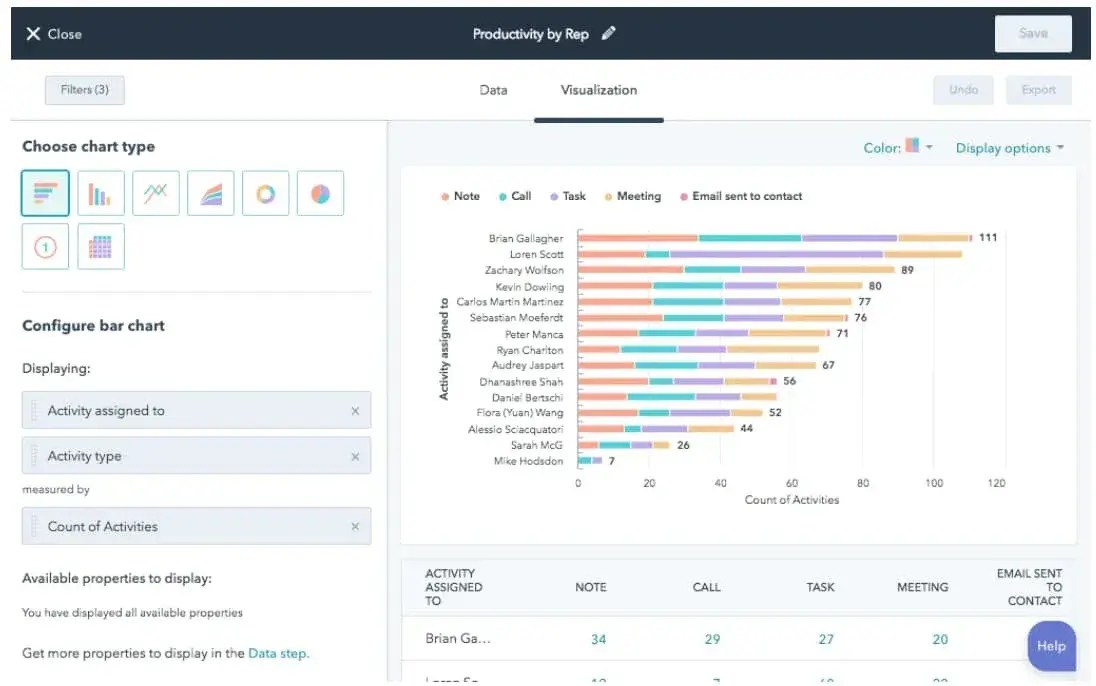
A CRM base de donnee—literally ‘customer relationship management database’ in French—is the backbone of modern customer engagement. It’s not just a digital rolodex; it’s a dynamic, intelligent system that stores, organizes, and leverages customer data to drive sales, marketing, and service excellence. In today’s hyper-competitive market, businesses without a robust CRM base de donnee are essentially flying blind.
Defining CRM Base de Donnee
The term CRM base de donnee refers to the structured collection of customer information managed within a Customer Relationship Management (CRM) platform. This includes contact details, purchase history, communication logs, preferences, and behavioral data. Unlike traditional spreadsheets, a CRM base de donnee is relational, scalable, and designed for real-time access across departments.
- Stores comprehensive customer profiles
- Integrates data from multiple touchpoints (email, phone, social media, web)
- Enables automation and analytics for smarter decision-making
According to Salesforce, organizations using CRM systems see a 36% increase in customer satisfaction and a 34% improvement in sales performance.
Evolution of CRM Databases
The concept of CRM has evolved from simple contact lists in the 1980s to cloud-based AI-powered ecosystems today. Early CRM systems were static and siloed. The modern CRM base de donnee is cloud-native, mobile-accessible, and integrated with artificial intelligence and machine learning.
- 1980s: Contact Management (offline, desktop-based)
- 1990s: Sales Force Automation (SFA) and call centers
- 2000s: Web-based CRM (e.g., Salesforce launch in 1999)
- 2010s–Present: AI-driven, omnichannel CRM base de donnee platforms
“The database is no longer just a storage unit—it’s a strategic asset that powers personalization, predicts churn, and drives revenue.” — Gartner Research, 2023
Core Components of a CRM Base de Donnee
A successful CRM base de donnee isn’t built overnight. It requires careful architecture and integration of key components that work in harmony to deliver value. Let’s break down the essential building blocks.
Customer Data Management
This is the heart of any CRM base de donnee. Effective customer data management ensures that information is accurate, up-to-date, and accessible. It involves data capture, cleansing, deduplication, and enrichment.
- Centralized storage of customer profiles
- Real-time synchronization across devices and platforms
- GDPR and CCPA compliance features
Tools like Zoho CRM offer built-in data quality tools that automatically flag duplicates and incomplete records.
Interaction Tracking and History
A CRM base de donnee doesn’t just store who your customers are—it tracks what they do. Every email sent, call made, website visit, or support ticket is logged, creating a complete interaction timeline.
- Automated logging of emails and calls
- Integration with social media platforms
- Web tracking via cookies and UTM parameters
This historical data allows sales teams to personalize outreach and support agents to resolve issues faster by understanding the full context.
Automation and Workflow Engine
One of the most powerful features of a modern CRM base de donnee is automation. Routine tasks like follow-up emails, task assignments, and lead scoring can be automated, freeing up human resources for higher-value activities.
- Trigger-based actions (e.g., send email after form submission)
- Lead nurturing workflows
- Service ticket escalation rules
For example, HubSpot’s CRM base de donnee uses workflow automation to reduce manual data entry by up to 60%, according to internal case studies.
Benefits of Implementing a CRM Base de Donnee
Investing in a CRM base de donnee isn’t just a tech upgrade—it’s a strategic business decision with measurable ROI. Companies across industries report significant improvements in efficiency, customer retention, and revenue growth.
Improved Customer Relationships
With a 360-degree view of the customer, businesses can deliver personalized experiences at scale. A CRM base de donnee enables teams to anticipate needs, respond faster, and build trust through consistent communication.
- Personalized marketing campaigns based on behavior
- Proactive service (e.g., reaching out before a subscription expires)
- Higher customer lifetime value (CLV)
A study by Nucleus Research found that CRM users achieve an average $8.71 return for every dollar spent.
Enhanced Sales Productivity
Sales teams equipped with a CRM base de donnee spend less time on admin and more time selling. Features like lead scoring, pipeline visualization, and automated reporting streamline the entire sales cycle.
- Shorter sales cycles due to better lead qualification
- Real-time visibility into deal progress
- Mobile access for field sales reps
“Our sales team closed 27% more deals in Q3 after implementing a unified CRM base de donnee.” — CRO, TechSolutions Inc.
Better Data-Driven Decision Making
Intuition is no longer enough. A CRM base de donnee provides actionable insights through dashboards, reports, and predictive analytics. Managers can identify trends, forecast revenue, and allocate resources more effectively.
- Customizable reports on sales performance, customer churn, and campaign ROI
- AI-powered forecasting tools
- Integration with BI platforms like Tableau or Power BI
For instance, Microsoft Dynamics 365 CRM offers embedded AI that predicts which leads are most likely to convert, increasing sales efficiency by up to 30%.
Types of CRM Base de Donnee Systems
Not all CRM base de donnee platforms are created equal. Depending on your business size, industry, and goals, different types offer varying levels of functionality and complexity.
Operational CRM
Operational CRM systems focus on automating customer-facing processes like sales, marketing, and service. They are ideal for businesses looking to streamline daily operations.
- Sales automation (lead management, opportunity tracking)
- Marketing automation (email campaigns, lead nurturing)
- Service automation (ticketing, knowledge base)
Examples include Salesforce Sales Cloud and Oracle CRM.
Analytical CRM
Analytical CRM systems are designed for deep data analysis. They extract insights from the CRM base de donnee to improve customer segmentation, campaign effectiveness, and retention strategies.
- Data mining and pattern recognition
- Customer segmentation and profiling
- Churn prediction models
These systems often integrate with data warehouses and use advanced analytics tools.
Collaborative CRM
Also known as ‘customer interaction management,’ collaborative CRM focuses on improving communication between departments and external partners. It ensures that everyone—from sales to support—has access to the same customer information.
- Shared customer portals
- Internal messaging and collaboration tools
- Integration with customer service platforms
This type is especially valuable for large enterprises with distributed teams.
How to Choose the Right CRM Base de Donnee for Your Business
Selecting the right CRM base de donnee is a critical decision that can impact your business for years. It’s not just about features—it’s about fit, scalability, and long-term value.
Assess Your Business Needs
Start by identifying your key pain points. Are you struggling with lead tracking? Poor customer service response times? Inefficient marketing campaigns? Your CRM base de donnee should solve real problems.
- Map out your customer journey
- Identify gaps in current processes
- Define success metrics (e.g., reduce response time by 40%)
For example, a B2B SaaS company might prioritize lead scoring and integration with LinkedIn, while a retail brand may focus on omnichannel support and loyalty tracking.
Evaluate Scalability and Integration
Your CRM base de donnee should grow with your business. Look for platforms that offer modular features, API access, and integration with existing tools like ERP, email marketing, and e-commerce platforms.
- Check for pre-built integrations (e.g., with Shopify, Mailchimp, QuickBooks)
- Ensure mobile and offline access
- Verify cloud infrastructure and uptime guarantees
Platforms like Pipedrive offer scalable pricing tiers and robust API support, making them ideal for growing startups.
Consider User Experience and Training
Even the most powerful CRM base de donnee will fail if your team doesn’t use it. Prioritize intuitive design, onboarding support, and training resources.
- Look for drag-and-drop interfaces and customizable dashboards
- Check availability of video tutorials and customer support
- Plan internal training sessions and adoption incentives
Research shows that user adoption is 50% higher when companies invest in structured onboarding programs.
Implementation Best Practices for CRM Base de Donnee
Implementing a CRM base de donnee isn’t just installing software—it’s a transformation process that requires planning, execution, and continuous improvement.
Data Migration and Cleansing
One of the biggest challenges in CRM implementation is migrating existing data. Poor data quality can undermine the entire system. Before migration, clean your data: remove duplicates, standardize formats, and verify accuracy.
- Use ETL (Extract, Transform, Load) tools for smooth migration
- Validate data post-migration with sample checks
- Assign a data steward to oversee quality
Tools like Talend and Informatica can automate much of this process, reducing errors and saving time.
User Adoption Strategies
Even the best CRM base de donnee is useless if employees resist using it. Drive adoption through clear communication, training, and demonstrating value.
- Involve key users in the selection process
- Create ‘champions’ within each department
- Show quick wins (e.g., automated reports saving 5 hours/week)
“We saw 90% adoption within 6 weeks by linking CRM usage to performance bonuses.” — HR Director, Finova Group
Continuous Optimization and Updates
A CRM base de donnee is not a ‘set and forget’ system. Regularly review usage, gather feedback, and update workflows to reflect changing business needs.
- Schedule quarterly reviews of CRM performance
- Monitor user activity and identify underused features
- Stay updated on new features and security patches
Many vendors offer success managers who help optimize your CRM base de donnee over time.
Future Trends in CRM Base de Donnee Technology
The CRM base de donnee landscape is evolving rapidly, driven by AI, automation, and changing customer expectations. Staying ahead of these trends ensures your business remains competitive.
AI and Predictive Analytics
Artificial intelligence is transforming CRM base de donnee systems from reactive tools to proactive advisors. AI can predict customer behavior, recommend next best actions, and even draft personalized emails.
- Predictive lead scoring
- Sentiment analysis of customer communications
- Automated chatbots with CRM integration
For example, Salesforce Einstein uses AI to analyze historical data and suggest optimal times to contact leads.
Hyper-Personalization at Scale
Customers expect personalized experiences—but delivering them manually is impossible at scale. Modern CRM base de donnee platforms use behavioral data to tailor content, offers, and support in real time.
- Dynamic website content based on user history
- Personalized product recommendations
- Customized email journeys
Companies like Amazon and Netflix have set the bar high, and CRM systems are helping others catch up.
Integration with IoT and Wearables
As more devices become connected, CRM base de donnee systems are starting to ingest data from IoT sensors and wearables. Imagine a fitness brand receiving real-time workout data from smartwatches to offer personalized coaching.
- Real-time health data for wellness brands
- Equipment usage data for B2B manufacturers
- Location-based offers via beacons and GPS
This trend is still emerging but holds massive potential for customer engagement.
What is a CRM base de donnee?
A CRM base de donnee is a centralized digital repository that stores and manages customer information within a Customer Relationship Management system. It enables businesses to track interactions, automate processes, and gain insights to improve customer relationships and drive growth.
How does a CRM base de donnee improve sales?
By providing a complete view of customer history, automating follow-ups, and enabling lead scoring, a CRM base de donnee helps sales teams prioritize high-value prospects, reduce cycle times, and close more deals efficiently.
Is CRM base de donnee secure?
Yes, reputable CRM platforms use advanced security measures like encryption, multi-factor authentication, and compliance with regulations (GDPR, CCPA) to protect customer data in the CRM base de donnee.
Can small businesses benefit from a CRM base de donnee?
Absolutely. Even small businesses generate customer data that, when organized in a CRM base de donnee, can improve service, increase retention, and uncover growth opportunities without requiring a large team.
What’s the difference between CRM and a database?
A database is a general storage system for data, while a CRM base de donnee is specifically designed for managing customer relationships, with built-in tools for sales, marketing, service, and analytics.
Implementing a CRM base de donnee is no longer optional—it’s essential for any business that wants to thrive in the digital age. From improving customer satisfaction to boosting sales efficiency and enabling data-driven decisions, the benefits are clear and measurable. As technology evolves, the CRM base de donnee will continue to integrate AI, automation, and real-time insights, making it the ultimate power tool for customer-centric organizations. The key to success lies not just in choosing the right platform, but in adopting it fully, maintaining data quality, and continuously optimizing its use. Start building your CRM base de donnee today, and unlock the full potential of your customer relationships.
Further Reading:
